Foundational film project
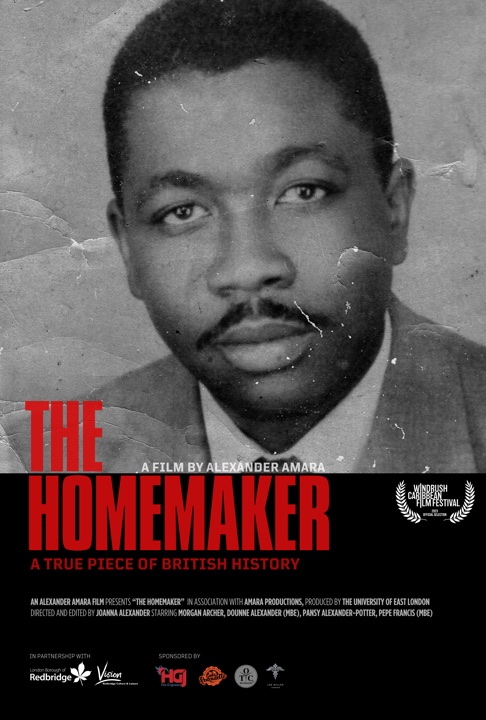
The Homemaker
A film-led exploration of James Alexander's contribution to housing and community service, and the family history through which that public legacy is remembered.
StatusExisting foundational film; heritage interpretation continues through JAHA.
Related workFilm / Archive / Legacy
RecordFOUNDATIONAL FILM
Why this project matters
A family story held within a wider cultural history.
The project brings a significant Black British housing story into view and establishes a creative route between family memory, documentary evidence and public history.
James Alexander's work with Trinity Housing Association opens wider questions about home, migration, belonging and the community action that shaped post-war Britain.
Screenings & public life
The film in public.
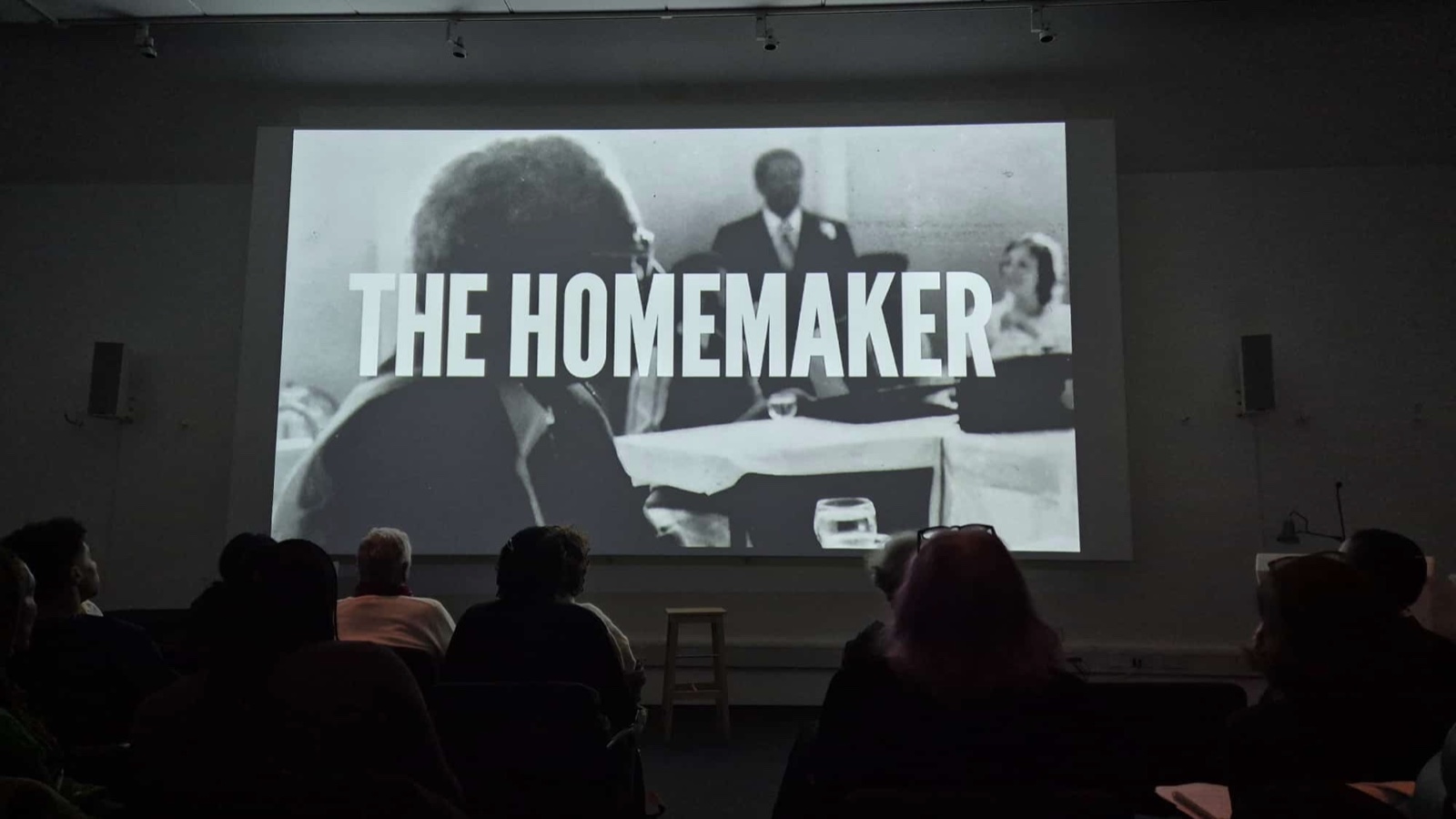
Screenings, conversations and public encounters carry James Alexander’s story beyond the archive and into shared cultural memory.
Project pathway
From housing history to film and archive.
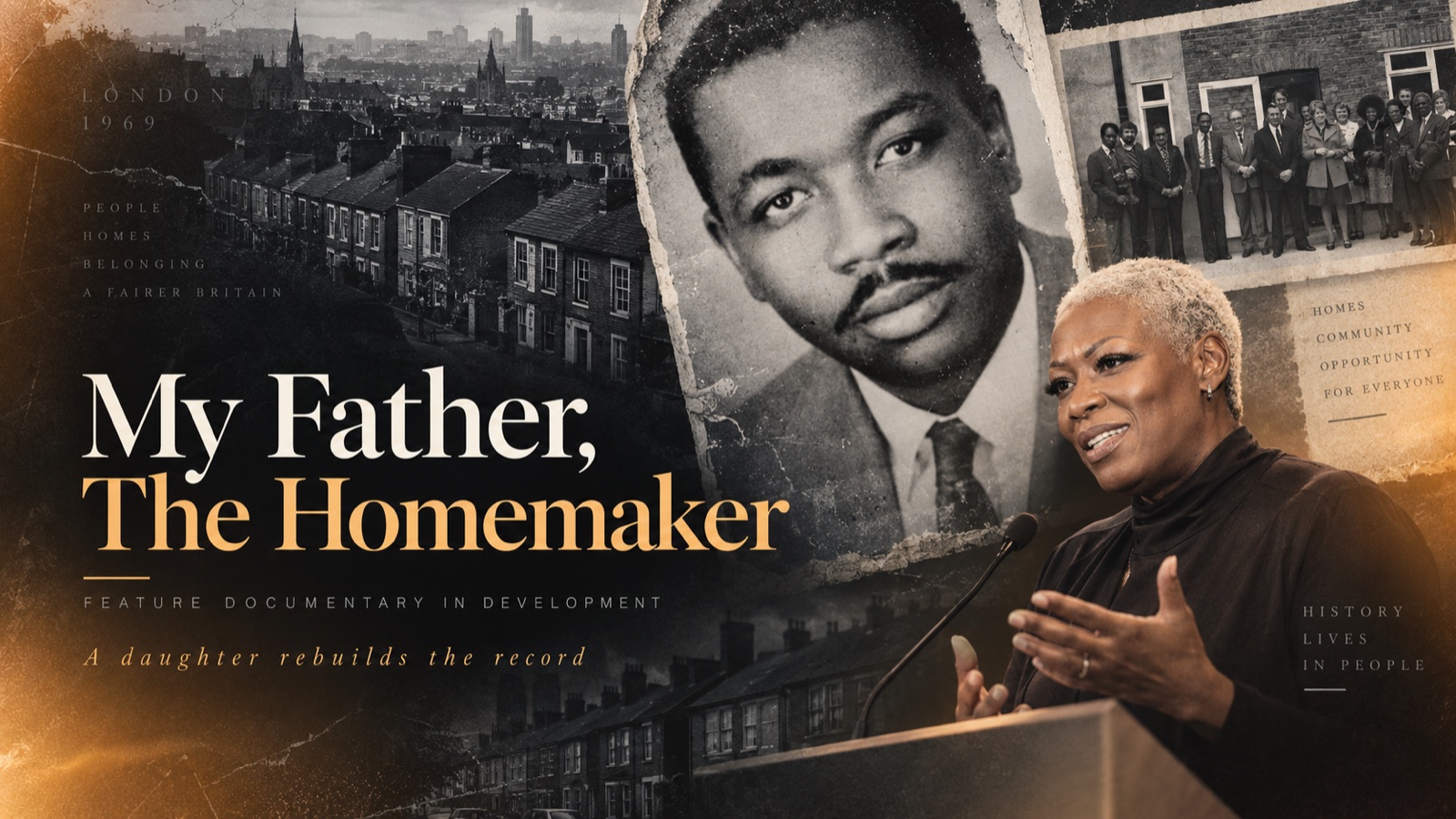
The Homemaker became the starting point for a wider body of work connecting James Alexander, Trinity Housing Association, the Alexander Archives and the developing feature documentary My Father, The Homemaker.
Screenings, research and collaboration
Help this work reach wider audiences.
JAHA welcomes conversations with venues, festivals, archives, researchers, community partners, educators and organisations interested in the heritage context of this work.
Contact JAHA