Five ways to preserve, interpret and share heritage.
Each strand has a distinct function, but together they move heritage from evidence and memory into film, learning, participation and lasting public value.
Programme strand 01
Film
Storytelling, moving image and public interpretation
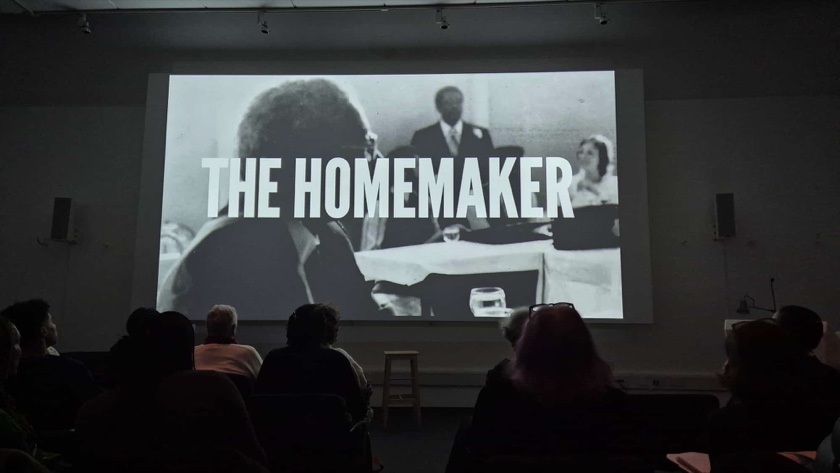
The Homemaker presented to a live audience — bringing James Alexander's story into a shared public space.
Tell and interpret Black British and Caribbean histories through moving image and creative media.
Core activity
Documentary, short-form and feature film development and production
Screenings, introductions, Q&As and curated film programmes
Recorded interviews and audiovisual testimony
Creative commissions and collaborative storytelling projects
Film-based interpretation for exhibitions, digital platforms and public programmes
Intended outcome
Greater visibility for underrepresented histories, high-quality cultural work that connects personal memory with wider social history, and an enduring audiovisual record for future audiences.
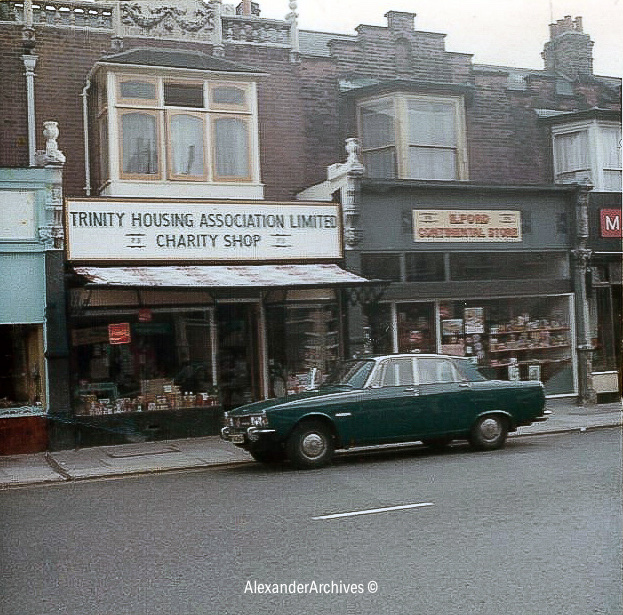
Trinity Housing Association charity shop, London, c. 1970 — part of the material record of James Alexander's housing and community work. Alexander Archives.
Collect, preserve, catalogue and make heritage accessible while protecting provenance and community ownership.
Core activity
Stewardship of the James Alexander Personal Archive and related collections
Cataloguing, metadata creation, digitisation and collections management
Oral-history recording, transcription and preservation
Research into housing, migration, community life and social change
Rights, permissions, provenance and ethical collections practice
Partnerships with museums, archives, libraries, universities and community collections
Intended outcome
Historically significant material is safeguarded, responsibly documented and increasingly discoverable, enabling research, interpretation and public access.
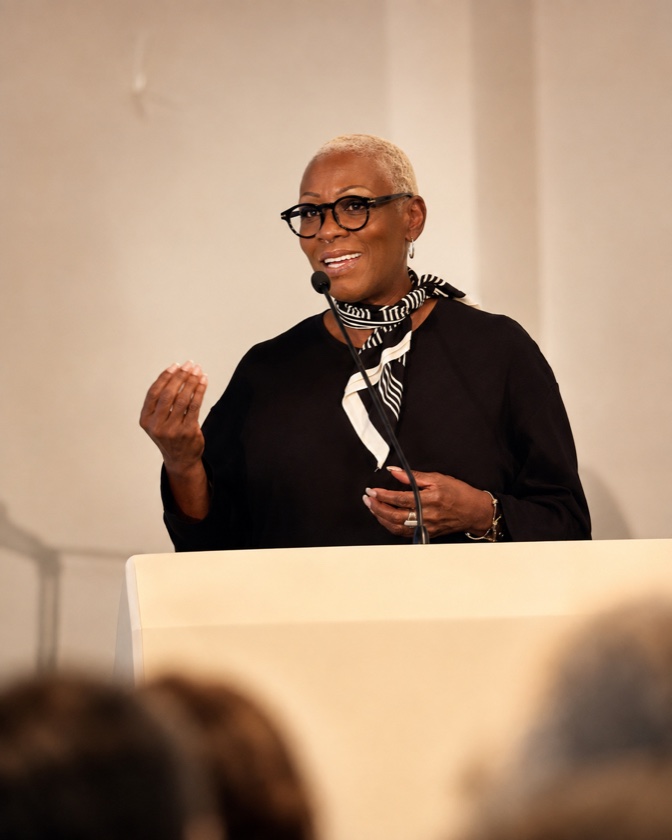
Heritage in conversation — using film, public speaking and lived history to open up questions of housing, memory and belonging.
Turn heritage into learning, practical skills and intergenerational knowledge.
Core activity
Schools, colleges and community learning resources
Workshops, talks, lectures and facilitated learning sessions
Heritage and oral-history skills development
Research placements, volunteering and supported participation
Teaching packs, digital learning materials and publications
Partnerships with educators, universities and cultural organisations
Intended outcome
Stronger historical understanding, practical heritage skills and opportunities for younger and future generations to encounter this history as a living and relevant field of knowledge.
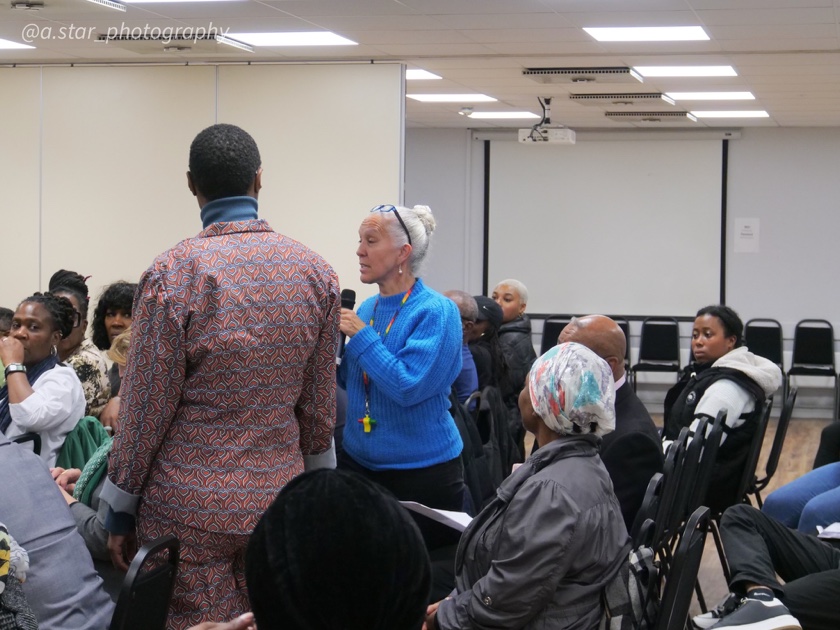
A public conversation in progress — creating space for audiences to respond, contribute and connect through shared histories.
Create participatory spaces for people to contribute, connect and be heard.
Core activity
Community collecting and memory-sharing initiatives
Oral-history and intergenerational storytelling projects
Public events, screenings, exhibitions and heritage days
Co-curation, consultation and participatory research
Community conversations around home, migration, belonging and social change
Partnership projects with local groups, cultural organisations and diaspora networks
Intended outcome
Broader participation in heritage, stronger connections across generations and communities, and public programmes in which people can see their experiences represented.
Long-term cultural memory, recognition and sustainability
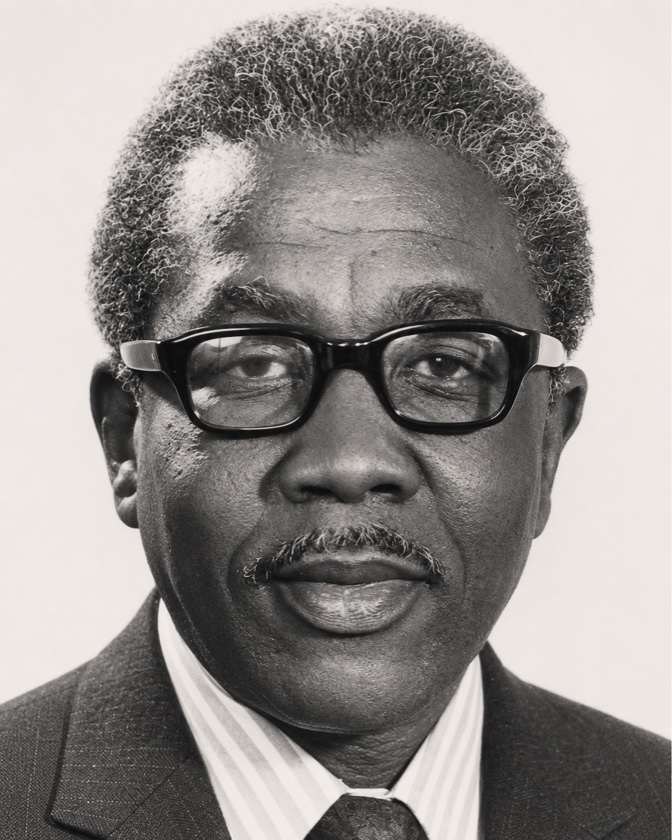
James Alexander — whose work in housing and community service continues to shape the stories, research and public work carried forward by JAHA. Alexander Archives.
Secure long-term cultural memory, public recognition and sustainable stewardship.
Core activity
Permanent and long-term archive preservation arrangements
Publications, exhibitions, digital resources and enduring public interpretation
Commemoration, plaques, heritage recognition and memorialisation where appropriate
Long-term partnerships with museums, archives and cultural institutions
Organisational knowledge, succession planning and responsible stewardship
Pathways for future researchers, artists, educators and communities to build on the work
Intended outcome
A durable cultural legacy in which James Alexander's contribution and connected community histories remain visible, accessible and capable of generating new research and creative work.